Building a Sidewalk Cleaning Schedule for Your Shopping Plaza
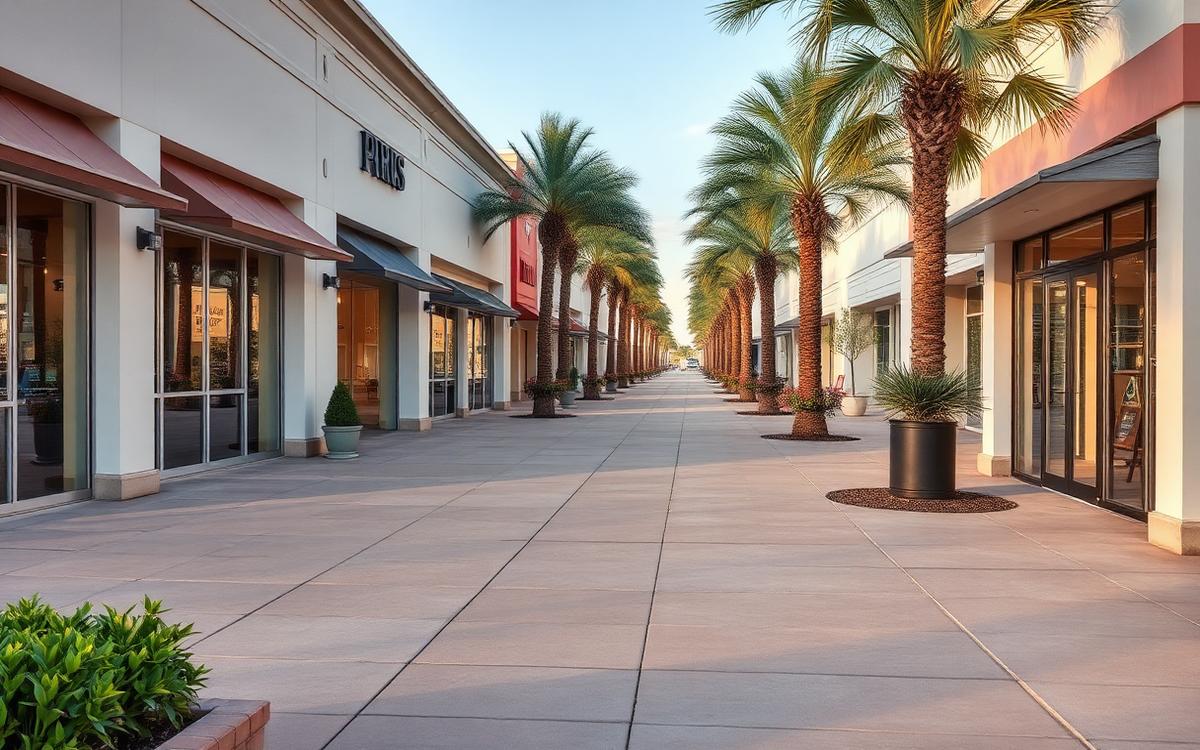
Sidewalks are the first thing customers walk across before they ever reach a storefront, and in South Florida's climate they get dirty faster than most property managers expect. A shopping plaza sidewalk cleaning schedule that's reactive rather than planned tends to leave gum stains, grease trails, and algae buildup visible for weeks before anyone books a service.
Why Shopping Plaza Sidewalks Need a Set Schedule
Foot traffic, food odors from restaurant tenants, rainfall, and shade from awnings all combine to create conditions where dirt, gum, and organic growth accumulate quickly. Unlike a single storefront, a plaza's sidewalks are shared common area, so the responsibility (and the cost) usually falls to property management or the HOA rather than individual tenants, which is exactly why a documented schedule matters — it prevents finger-pointing when the walkway looks bad.
Factors That Should Shape Your Schedule
- Tenant mix — plazas anchored by restaurants or cafes need more frequent cleaning near entrances due to grease and food debris
- Shade and drainage — north-facing or covered walkways stay damp longer and grow algae faster
- Traffic volume — anchor stores and grocery entrances see heavier foot and cart traffic
- Local ordinances — some municipalities require plazas to maintain sidewalks free of trip hazards and staining
- Seasonal patterns — South Florida's rainy season (roughly June through October) accelerates algae and mildew growth
A Sample Schedule
| Area | Suggested Frequency |
|---|---|
| Main entrance walkways | Monthly |
| Restaurant/food tenant frontage | Every 2-4 weeks |
| General plaza sidewalks | Quarterly |
| Parking lot drive lanes | Twice yearly |
This is a general starting point — plazas with heavy shade, older concrete, or a food court will likely need more frequent attention, while smaller strip centers with light traffic may be fine on a longer interval.
Setting It Up With Tenants and Ownership
- Decide whether cleaning costs are covered by CAM (common area maintenance) fees or billed separately
- Get input from restaurant or food tenants on the areas they see get dirty fastest
- Document the schedule in writing so tenants know what to expect and when
- Pair sidewalk cleaning with driveway and paver cleaning for the parking areas on a longer cycle
- Consider window cleaning on the same visit for storefront glass, since crews are already on site
Plaza managers in West Palm Beach and Boca Raton often bundle sidewalk cleaning into a broader commercial and HOA maintenance plan that covers the whole property, which simplifies budgeting and vendor management compared to scheduling each surface separately.
If you manage a shopping plaza and want help building a realistic cleaning schedule, contact us for a free estimate and walkthrough. Call (561) 566-8138.
SERVICES COVERED IN THIS ARTICLE
- Driveway & Paver Cleaning in South FloridaRestore pavers, concrete & walkways.
- Commercial & HOA in South FloridaPlazas, properties, communities.
- Window Cleaning in South FloridaStreak-free, inside and out.
- House Washing in South FloridaSoft-wash stucco, siding & exteriors.
AREAS MENTIONED
Ready to book? driveway & paver cleaning in Boca Raton.