Hard Water Spots on Windows: Causes, Removal and Prevention
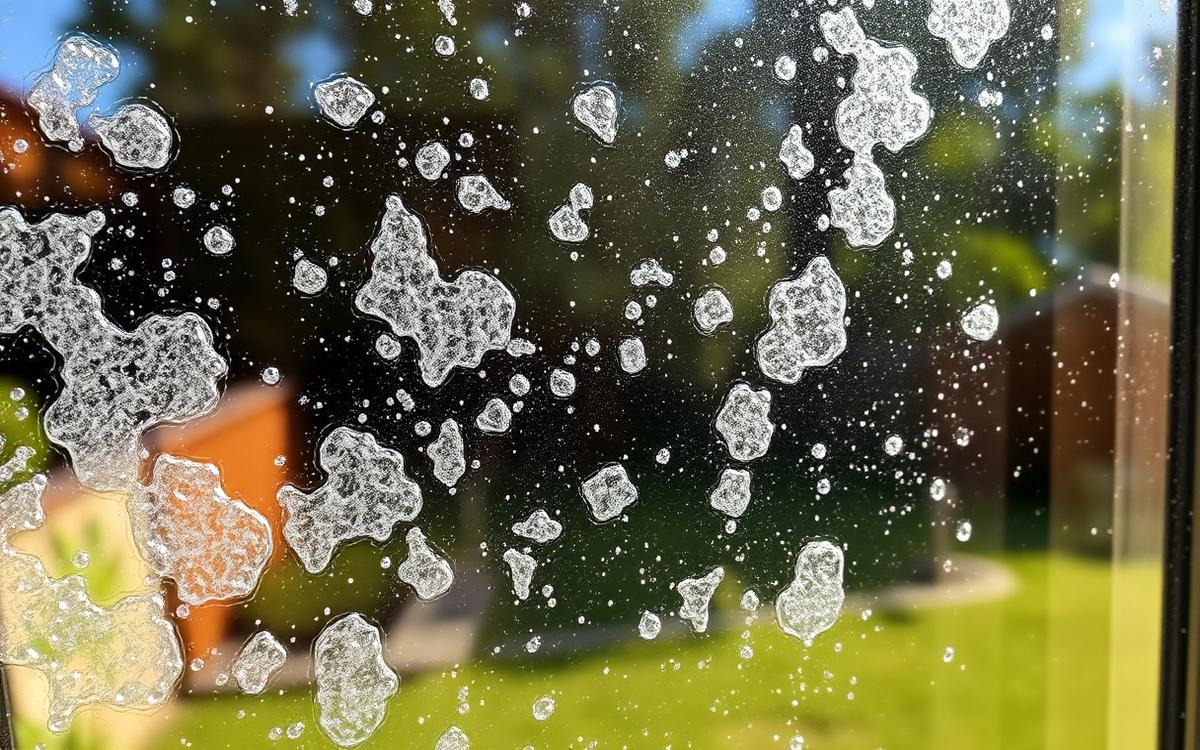
Hard water spots on windows are one of the most stubborn cosmetic issues South Florida homeowners deal with, especially on properties with sprinkler systems that spray directly onto glass, or homes near the coast where mineral-rich water and salt air combine on window surfaces.
What causes hard water spots on windows
Hard water spots form when water containing dissolved minerals — primarily calcium and magnesium — dries on a glass surface. As the water evaporates, the minerals are left behind in a concentrated ring or film. Under Florida's intense sun, evaporation happens quickly, giving minerals little time to rinse away naturally before drying into place.
Sprinkler overspray is the single most common cause we see, since irrigation water often has a higher mineral content than rainwater and hits the same section of glass repeatedly, day after day, building up a thicker deposit over time.
Other common sources of hard water spotting
- Pool water splashed onto nearby windows or sliding glass doors
- Hose runoff during regular home cleaning
- Rain mixing with dust and settling on glass during dry spells
- Pressure washing runoff from adjacent surfaces that isn't rinsed properly
Why hard water spots are hard to remove with regular glass cleaner
Standard ammonia-based glass cleaners are designed to cut through dust, fingerprints, and light grime — they aren't formulated to dissolve mineral deposits. Mineral spots need a mildly acidic approach to break down the calcium and magnesium buildup, followed by a thorough rinse and squeegee to prevent new spotting from the cleaning process itself.
Left untreated for months or years, hard water spots can etch into the glass surface permanently, especially on window types with softer glass coatings. At that point, no cleaning solution will fully restore clarity — the etching becomes a physical texture change rather than surface residue.
DIY hard water spot removal (for light spotting)
- Mix equal parts white vinegar and water in a spray bottle.
- Apply generously to the spotted area and let it sit for 5–10 minutes.
- Scrub gently with a non-abrasive pad — never steel wool or anything that can scratch glass.
- Rinse thoroughly with clean water and squeegee dry to prevent new spots.
- Repeat if spots are stubborn, but avoid excessive scrubbing that could damage glass coatings.
For spots that don't respond to a vinegar solution, professional-grade treatments are usually needed rather than stronger DIY chemicals, which risk damaging window seals, frames, or tinting.
| Spot Severity | Recommended Approach |
|---|---|
| Light, recent spotting | Vinegar solution, DIY-friendly |
| Moderate buildup | Professional mineral deposit treatment |
| Heavy, long-term buildup | Professional treatment; some etching may be permanent |
Preventing hard water spots going forward
- Redirect or adjust sprinkler heads so they don't spray directly onto windows
- Rinse windows with clean water after any pressure washing nearby
- Squeegee glass after any manual rinsing rather than letting it air dry
- Schedule regular window cleaning so spots don't have time to build up and set
If hard water spots are a recurring issue tied to your irrigation setup, it's worth combining a professional cleaning with a look at your sprinkler positioning — otherwise the same spots tend to reappear within weeks. This pairs well with a broader house washing visit if sprinkler overspray is also affecting your stucco or siding.
Homeowners throughout Boca Raton, Delray Beach, and West Palm Beach deal with hard water spotting regularly given local water mineral content. Curt's Pressure Cleaning offers free estimates for window cleaning and hard water treatment. Call (561) 566-8138 or contact us online to get started.
SERVICES COVERED IN THIS ARTICLE
- House Washing in South FloridaSoft-wash stucco, siding & exteriors.
- Window Cleaning in South FloridaStreak-free, inside and out.
AREAS MENTIONED
Ready to book? house washing in Boca Raton.