Eco-Friendly Pressure Washing: Water Use and Runoff in South Florida
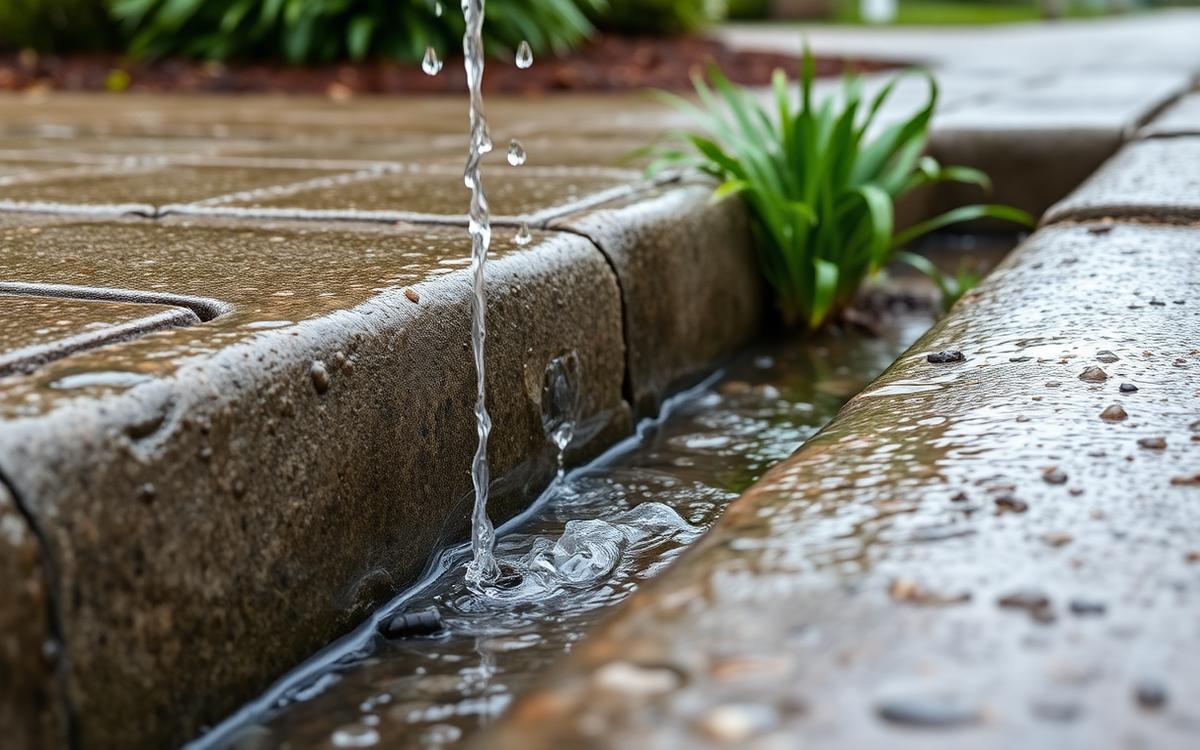
South Florida's canals, lakes, and coastal waters are directly connected to the same storm drain systems that carry runoff from driveways and roofs. That's why eco-friendly pressure washing isn't just marketing language here — the chemicals and water used on your property can genuinely end up in local waterways if handled carelessly.
Where the environmental impact actually comes from
Water usage itself is relatively modest compared to, say, irrigation; a typical residential job uses less water than a lawn sprinkler running for the same amount of time, largely because pressure washing relies on force rather than volume. The bigger environmental factor is what's mixed into that water and where it goes after it leaves your driveway or roof.
Detergents and runoff
Sodium hypochlorite (bleach-based) solutions are common and effective against algae and mold, but they should be used in properly diluted, low-concentration mixes and rinsed thoroughly. Phosphate-free, biodegradable surfactants reduce the risk of harming grass, aquatic life, and septic systems compared to industrial-strength alternatives.
- Diluted, biodegradable cleaning agents break down faster and are less harmful to landscaping and waterways
- Containment mats or berms can be used on driveways near storm drains to redirect runoff to grass or landscaped areas where it filters naturally
- Avoiding cleaning immediately before heavy rain reduces the chance of concentrated runoff reaching drains
Practices that reduce impact
Soft washing uses less water and less pressure
Soft washing, used for roof cleaning and house washing, relies more on chemical action than brute-force water volume, which generally means lower total water usage than repeatedly blasting a surface at high pressure to achieve the same result.
Recovering and containing wastewater
For larger commercial jobs, especially commercial and HOA properties near retention ponds or waterways, some cleaning companies use water reclamation systems that vacuum up runoff for proper disposal rather than letting it drain freely.
| Practice | Environmental benefit |
|---|---|
| Biodegradable, phosphate-free detergents | Less harm to plants, pets, aquatic life |
| Soft washing over brute-force pressure | Lower total water use |
| Runoff containment near storm drains | Keeps chemicals out of waterways |
| Proper dilution ratios | Reduces chemical concentration in runoff |
Questions worth asking your provider
Ask what cleaning solutions are used, at what dilution, and how the crew manages runoff near drains, lakes, or landscaping. A provider who takes this seriously should have a clear, specific answer rather than a generic "we're eco-friendly" line.
How this compares across the industry
Not every company markets itself as eco-conscious, and that gap in practice can be significant. Some operators still use undiluted bleach at high concentrations because it works faster, without regard for runoff. Others invest in reclamation equipment, proper dilution training, and containment methods that take longer but protect the surrounding environment. The difference usually isn't visible in the final result on your driveway, but it matters a great deal to nearby lakes, canals, and landscaping over time.
If protecting your yard, well, or a nearby waterway is a priority, it's worth choosing a provider that can speak specifically to their dilution ratios and runoff practices rather than a general environmental claim.
Curt's Pressure Cleaning uses biodegradable solutions and responsible runoff practices on every job, from a single driveway cleaning to a full commercial contract. Request a free estimate or call (561) 566-8138 to ask about our process.
SERVICES COVERED IN THIS ARTICLE
- House Washing in South FloridaSoft-wash stucco, siding & exteriors.
- Roof Cleaning in South FloridaSafe soft-wash for tile, shingle & metal.
- Commercial & HOA in South FloridaPlazas, properties, communities.
- Driveway & Paver Cleaning in South FloridaRestore pavers, concrete & walkways.