Black Streaks on Your Roof: What They Are and How to Remove Them
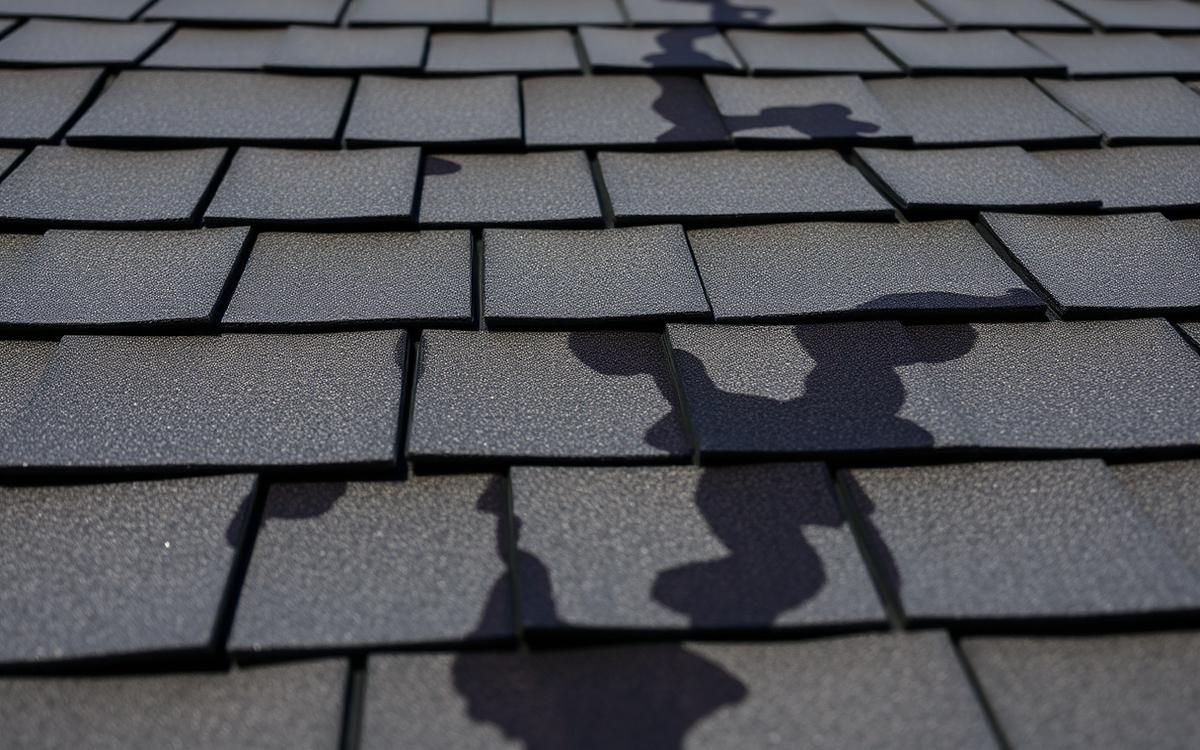
Black streaks on roof slopes are one of the most common complaints we hear from South Florida homeowners, especially on tile and shingle roofs that face north or sit under tree cover. Understanding what's actually causing the streaking changes how you should approach removing it.
What Causes Black Streaks on Roof Surfaces
In the vast majority of cases, the culprit is Gloeocapsa magma, a species of blue-green algae that feeds on the limestone filler used in many roofing materials. It doesn't just sit on the surface — it grows a protective dark coating to shield itself from UV light, which is what creates the visible black streak. It spreads through airborne spores, typically starting on shaded, damp areas and spreading downhill with rainwater runoff over months or years.
Why It's Not Just Dirt
- Streaking follows water flow patterns, appearing as vertical or diagonal lines rather than random spots
- It starts on the least sun-exposed areas of the roof, like north-facing slopes or sections shaded by trees
- Simple rinsing with a garden hose does little to nothing — the algae has to be killed, not just rinsed
- Left untreated, it can spread to neighboring roofs and worsen over time, which is why some HOAs specifically flag it
Why Pressure Washing Isn't the Answer
A common mistake is trying to blast black streaks off with a high-pressure washer. On tile roofs, this can crack tiles or force water under the tile laps; on shingles, it strips the protective granule coating, shortening the roof's lifespan. Because the algae is embedded and growing, not just sitting on top, mechanical force alone doesn't fully remove it anyway — it often returns faster because the surface is left more porous.
The Safe Removal Process
- Protect surrounding landscaping by pre-wetting or covering plants near the roofline
- Apply a low-pressure algaecide/fungicide solution formulated for roofing materials
- Allow adequate dwell time for the solution to kill the algae at the root
- Rinse at low pressure to remove residue without disturbing tiles or shingles
This is the same soft-wash approach used in professional roof cleaning, and it's the only method that reliably kills the algae rather than just knocking loose surface residue off.
How Long Removal Takes to Show Results
Unlike pressure washing, soft washing doesn't produce an instantly spotless roof. It's normal to see streaking continue to lighten and wash away with rain over the following one to three weeks as the dead algae breaks down and rinses off naturally.
Preventing Streaks From Coming Back
| Factor | Effect on Regrowth |
|---|---|
| Heavy tree canopy | Faster regrowth due to shade and moisture |
| North-facing slopes | Faster regrowth, less sun exposure |
| Regular cleaning cycle (18-24 months) | Slower, more manageable regrowth |
| Copper or zinc roof strips | Can slow regrowth between cleanings |
Homeowners near West Palm Beach and Fort Lauderdale deal with this constantly given the region's humidity and shade patterns, and staying on a consistent cleaning cycle is generally the most cost-effective long-term fix.
If your roof has visible streaking, contact us for a free estimate. Call (561) 566-8138 and we'll assess whether it's algae, mildew, or something else before recommending treatment.
SERVICES COVERED IN THIS ARTICLE
- Roof Cleaning in South FloridaSafe soft-wash for tile, shingle & metal.
- House Washing in South FloridaSoft-wash stucco, siding & exteriors.
- Commercial & HOA in South FloridaPlazas, properties, communities.
AREAS MENTIONED
Ready to book? roof cleaning in West Palm Beach.